
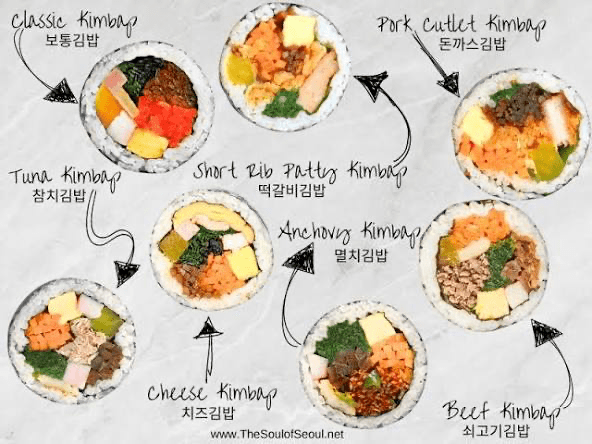
🍙 Discover the Delicious World of Kimbap — Korea’s Beloved Rice Rolls
Kimbap (김밥) is one of Korea’s most popular and versatile dishes. While the classic version is a must-try, there are countless variations featuring unique fillings and flavors. Here are five popular types of Korean kimbap that every food lover should taste — from traditional styles to creative modern twists.
🥢 1️⃣ Classic Kimbap (기본 김밥)
The original and most common type of kimbap, often packed for school lunches, picnics, and road trips. It features seasoned rice and colorful fillings rolled in roasted seaweed.
- 🌾 Main ingredients: Rice, pickled radish (단무지), spinach, carrot, egg strips, and ham or crab sticks.
- 💡 Flavor profile: Lightly savory and nutty, seasoned with sesame oil and salt.
- 🍱 Perfect for: First-time kimbap makers or anyone craving a simple, comforting snack.
🔥 2️⃣ Mayak Kimbap (마약 김밥)
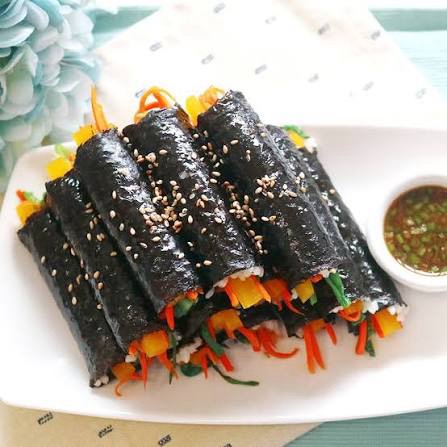
Literally meaning “addictive kimbap,” this bite-sized version originated from Gwangjang Market in Seoul. It’s smaller than standard rolls and served with a sweet-spicy mustard dipping sauce.
- 🥕 Main ingredients: Rice, carrot, pickled radish, and spinach — often without meat or egg.
- 🌶️ Dipping sauce: Soy sauce, vinegar, mustard, and sesame seeds.
- 💬 Why it’s famous: The combination of simple ingredients and tangy sauce makes it irresistibly tasty.
🐟 3️⃣ Tuna Kimbap (참치 김밥)
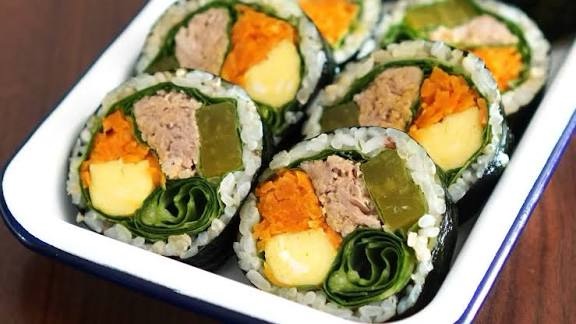
This version replaces ham with tuna mixed in mayonnaise, creating a creamy, rich flavor that’s especially popular among younger Koreans and visitors alike.
- 🍳 Main ingredients: Tuna mayo, egg, pickled radish, and lettuce or perilla leaves.
- 🥄 Texture: Soft and moist inside, with the perfect balance of savory tuna and crisp vegetables.
- 💡 Tip: Add a little gochujang (Korean chili paste) for a spicy kick.
🥩 4️⃣ Bulgogi Kimbap (불고기 김밥)
For meat lovers, Bulgogi Kimbap offers a hearty version of the classic roll, filled with marinated Korean BBQ beef. It’s often found in cafes or as a premium option in kimbap shops.
- 🍖 Main ingredients: Bulgogi beef, carrots, egg, spinach, and pickled radish.
- 🔥 Flavor profile: Sweet, smoky, and umami-rich — perfect for a satisfying meal on the go.
- 🍱 Popular with: Tourists looking for a true “Korean BBQ in a roll” experience.
🧀 5️⃣ Cheese Kimbap (치즈 김밥)
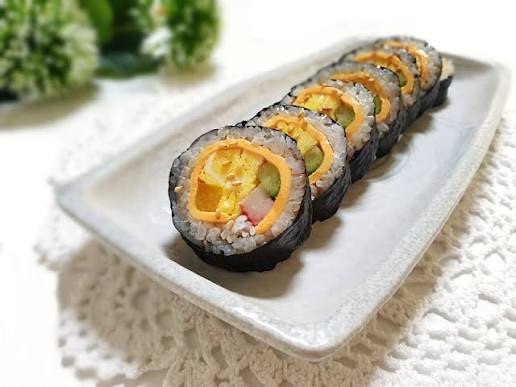
A modern twist on the traditional kimbap, featuring melted cheese that blends beautifully with warm rice and savory fillings. It’s popular in Korean convenience stores and cafes.
- 🧀 Main ingredients: Processed cheese slices, ham, egg, carrots, and rice.
- 💡 Texture: Creamy and gooey inside, with a crispy edge when pan-fried.
- 🍽️ Fun fact: Some versions add spicy kimchi or buldak sauce for a cheesy kick!
💡 Final Thoughts
From the simplicity of classic kimbap to the indulgence of tuna and bulgogi variations, Korea’s rice rolls cater to every taste. Whether you’re visiting Seoul’s Gwangjang Market or making it at home, each bite tells a story of Korean creativity and comfort.
In 2025, more cafes and street stalls are offering fusion-style kimbap — making it easier than ever for both locals and tourists to enjoy this iconic dish.
💬 Frequently Asked Questions
1. What’s the most popular type of Kimbap in Korea?
Classic Kimbap remains the most popular, but Tuna Kimbap and Mayak Kimbap have become top favorites, especially among younger people.
2. Is Kimbap eaten hot or cold?
Kimbap is usually eaten at room temperature or slightly warm. It’s not served cold like sushi.
3. Can vegetarians eat Kimbap?
Yes! Mayak Kimbap or Vegetable Kimbap uses only plant-based ingredients like spinach, carrots, and pickled radish.
4. Where can I buy Kimbap in Korea?
You can find it everywhere — from convenience stores and markets to specialized Kimbap chains like Kimbap Heaven (김밥천국).
 Discover The Real Korea
Leave a comment