

🍙 Learn to Make Kimbap Like a Korean — Simple, Tasty, and Beginner-Friendly
Kimbap (김밥) is one of Korea’s most beloved comfort foods — rice and fresh ingredients rolled in seaweed. It’s perfect for picnics, lunch boxes, or light meals. In this guide, you’ll learn how to make authentic Korean kimbap step by step, even if you’ve never rolled one before!
Read also: Top 10 Korean Street Foods to Try in Seoul
🥢 1️⃣ Basic Ingredients for Classic Kimbap

Here’s what you need to make one of Korea’s favorite dishes at home:
- 🍚 Cooked rice (short-grain or sushi rice works best)
- 🧂 Seasoning: sesame oil, salt, and sesame seeds
- 🌿 Seaweed sheets (김 / gim)
- 🥕 Carrots — thinly julienned and lightly sautéed
- 🥬 Spinach — blanched and seasoned with salt and sesame oil
- 🍳 Egg strips — made by frying beaten eggs into a thin omelet and slicing
- 🍖 Ham or crab sticks — for a savory protein layer
- 🥒 Pickled radish (단무지) — adds crunch and color
Optional add-ons: Fish cake, tuna mayo, bulgogi beef, or cheese for a modern twist.
🍚 2️⃣ Seasoning the Rice — The Foundation of Good Kimbap
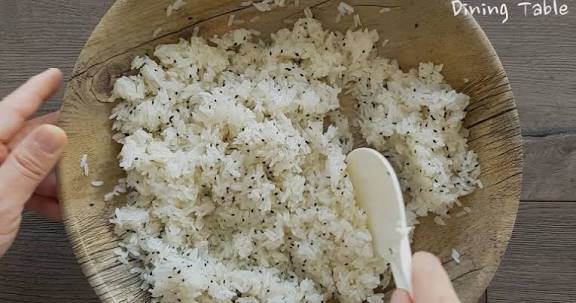
Perfect kimbap starts with perfectly seasoned rice. While the rice is still warm, mix in:
- 1 tbsp sesame oil
- ½ tsp salt (adjust to taste)
- 1 tsp roasted sesame seeds
Mix gently using a rice paddle to avoid smashing the grains. The rice should taste lightly salty and nutty, not overly seasoned.
Pro Tip: If the rice is too sticky, spread it out to cool slightly before rolling. This keeps your seaweed crisp and prevents tearing.
🧻 3️⃣ Step-by-Step: Rolling Your Kimbap
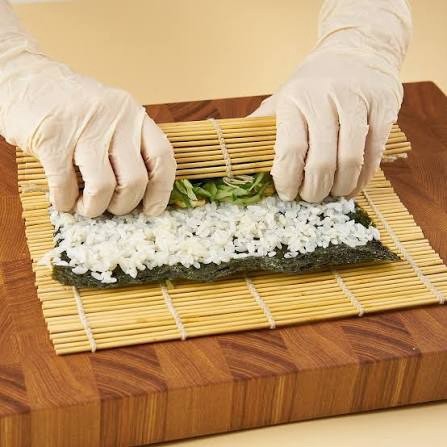
Now for the fun part — rolling your kimbap! Follow these easy steps:
- Place a sheet of seaweed (shiny side down) on your bamboo rolling mat.
- Spread a thin layer of rice over about ⅔ of the sheet, leaving the top edge empty.
- Place your fillings horizontally across the middle: pickled radish, carrots, spinach, egg, and ham.
- Lift the bottom edge of the mat and roll tightly, tucking the ingredients inside as you go.
- Seal the end by brushing a little sesame oil or water along the top edge.
Beginner Tip: Don’t overfill your roll — too much filling will make the kimbap burst or tear. Firm, gentle pressure helps keep the roll compact.
🔪 4️⃣ Cutting and Serving

Brush a little sesame oil on the roll for shine, then slice it with a sharp knife.
- 💡 Prevent sticking: Wipe the knife with a damp towel between cuts.
- 🍽️ Serving: Pair with kimchi or pickled radish for a traditional side.
For picnics, pack the rolls with a damp cloth to keep them from drying out. You can also refrigerate leftovers and reheat gently the next day.
💡 Common Mistakes & Tips for Beginners
- ❌ Rice too wet? Let it cool a bit before seasoning.
- ❌ Roll tearing? Use less filling and make sure your rice layer is thin and even.
- ✅ Want glossy rolls? Lightly brush sesame oil on the outside before cutting.
Once you master the basics, try regional variations like Tuna Kimbap or Mayak (addictive) Kimbap with spicy dipping sauce!
💬 Frequently Asked Questions
1. What’s the difference between Kimbap and Sushi?
Kimbap uses sesame oil–seasoned rice and cooked fillings, while sushi uses vinegar rice and raw fish. Kimbap is more savory and portable.
2. Can I make Kimbap without a bamboo mat?
Yes! Use plastic wrap or parchment paper instead. It’s slightly trickier but works fine for beginners.
3. How long does homemade Kimbap last?
Kimbap is best eaten the same day, but you can refrigerate it for up to 24 hours. Reheat gently to restore texture.
4. What’s the easiest Kimbap for beginners?
Start with the classic version — ham, egg, carrot, spinach, and pickled radish. These ingredients are easy to prep and roll neatly.
 Discover The Real Korea
Leave a comment